
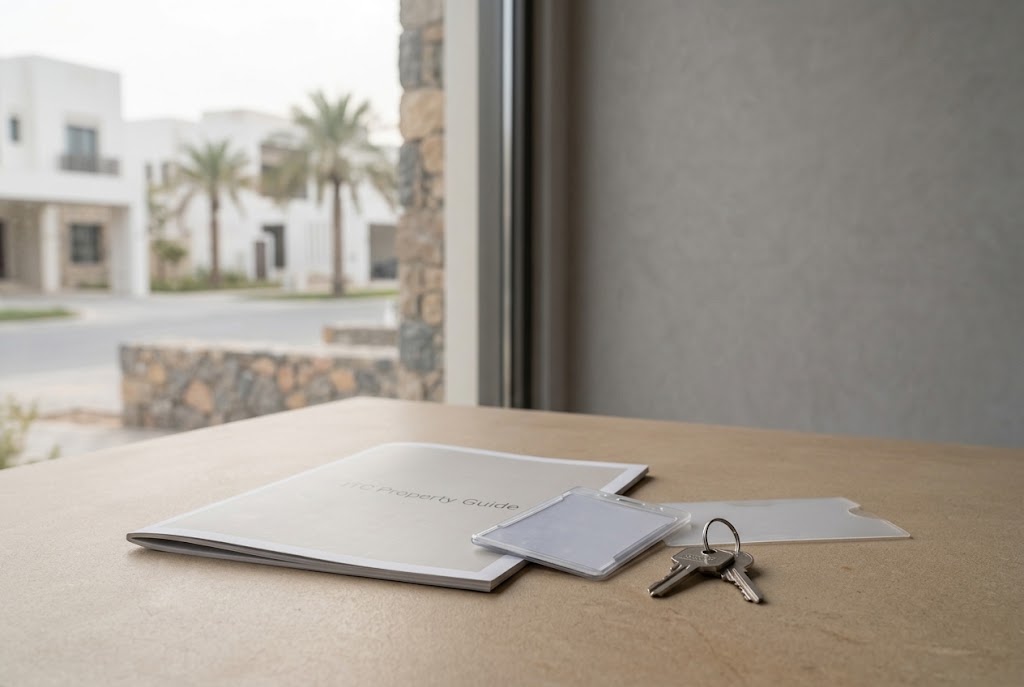
Oman allows foreign nationals to own property in Integrated Tourism Complexes, commonly known as ITCs. They can invest, live in the property, rent it out, or sell it later. This has helped Oman attract foreign capital and present itself as a safe and peaceful place for property investment.
However, real estate brokerage activities remain heavily restricted for foreign investors and international companies.
ITC projects are not intended only for buyers who already live in Oman. Their potential buyers may be in London, Dubai, Mumbai, Moscow, Istanbul, Tehran, or many other cities. Reaching these buyers requires international marketing and brokerage networks.
Allowing foreign ownership is only one part of the process. An investor first needs to hear about the opportunity. They need someone who can explain the market, earn their trust, compare Oman with other property markets, and help them sell the property later if they decide to leave the investment.
A good building in a good location is not enough to sell property. Buyers also need reliable information, professional marketing, and access to people they trust in their own markets.
Many local property companies are respected and understand the Omani market well. However, many do not have strong networks across Europe, Asia, and the Gulf. They may not have professional content in several languages or enough experience with the concerns and expectations of international investors. This limits the number of buyers that ITC projects can reach.
The secondary market is an even greater concern. Investors do not think only about buying from the developer. They also consider what will happen a few years later if they want to sell, rent out the property, or leave the investment.
If buying is easy but selling later is difficult, some investors may decide not to enter the market at all. This reduces the appeal of ITC property as an investment.
Oman cannot invite international buyers into the property market while keeping international marketing and brokerage tools limited or ineffective. Local market protection is important, and so is the development of Omani professionals. However, this should not isolate the market or prevent Oman from benefiting from international experience.
Oman has valuable investment opportunities. In this case, the current approach is limiting the potential of one of them. ITCs were created to attract buyers from outside Oman, so their marketing and brokerage system also needs access to international markets.
One practical option would be a special international brokerage model limited to ITC properties. International companies could work in partnership with licensed Omani firms under clear regulations. These partnerships could also include training and knowledge transfer for Omani professionals.