
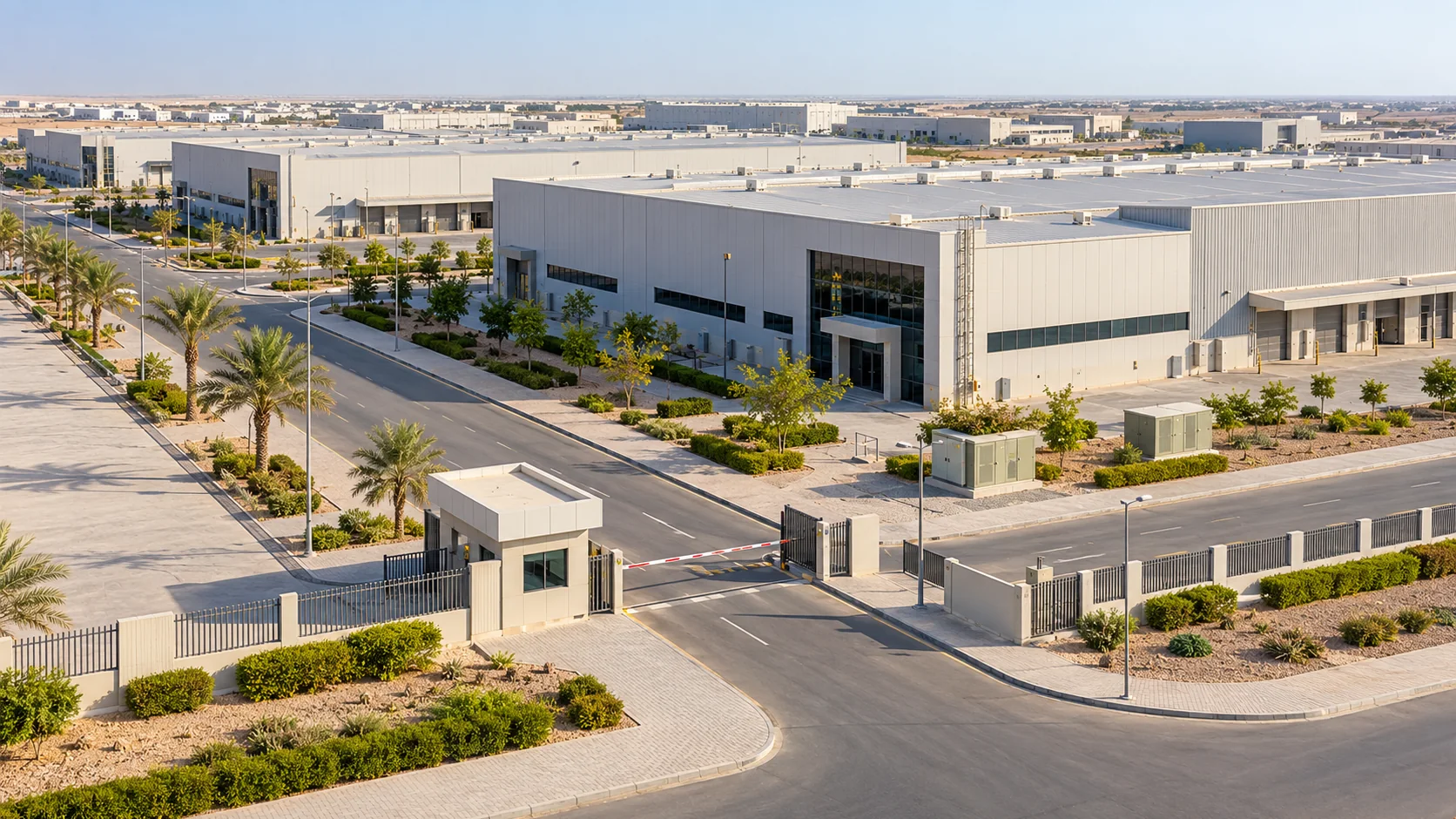
Salalah Free Zone combines income-tax incentives, free-zone customs treatment, Special Zone VAT rules and a published 20% Omanisation benchmark inside one investment framework.
Each incentive follows its own legal route. The cleanest project model separates income tax, VAT, customs and workforce planning, then brings them together in the operating budget.
For the full location and setup framework, see the Salalah Free Zone Investor Guide.
1. Income-tax exemption under the current framework
Current SFZ materials present an income-tax incentive of up to 30 years, reviewed every 10 years. Royal Decree 38/2025 Article 27 provides the unified legal structure: an initial 10-year exemption from taxes imposed by the Income Tax Law from commencement of activity, with two further 10-year periods available for activities of a special nature under the Regulation and approval process.
Previously granted incentives continue through their approved periods under the transition provisions of Royal Decree 38/2025. This gives existing and new projects a clear legal basis for documenting the applicable exemption period.
| Tax element | Planning point |
|---|---|
| Initial period | 10 years from commencement of activity under Article 27. |
| Renewal | Two similar 10-year periods for activities of a special nature under the current regulation. |
| Approval | The exemption is issued through the prescribed tax/authority process. |
| Returns | Tax returns and supporting documents continue under the Income Tax Law. |
| Records | Project, accounting and exemption records support the ongoing incentive file. |
A deeper explanation is available in the Oman free-zone tax exemption guide.
2. Customs treatment inside the free zone
Royal Decree 38/2025 provides customs relief for qualifying machinery, equipment, spare parts, inputs, raw materials and other items introduced into the zone for construction, preparation, operation or the licensed activity. Products exported from the zone outside Oman also follow the free-zone export framework.
Oman Customs manages the movement of goods through Bayan declarations, including transfers into a free zone, between free zones and from a free zone into the mainland market.
3. Mainland entry has its own customs flow
When goods move from Salalah Free Zone into mainland Oman, the transaction follows the applicable free-zone-to-free-market declaration, importer, product, duty and VAT workflow.
The cargo route is covered in Salalah Free Zone Port Logistics: Cargo Flow, Customs and Re-export.
4. VAT Special Zone treatment
The Oman Tax Authority currently lists Salalah Free Zone as a Special Zone for VAT purposes. Qualifying supplies to, from or within a Special Zone can receive zero-rating when the conditions in the VAT Executive Regulations are satisfied.
| VAT question | Project check |
|---|---|
| Zone status | Salalah Free Zone is listed as a VAT Special Zone. |
| Transaction type | Goods/services and direction of supply. |
| Customs control | Movement and evidence for goods entering or leaving the zone. |
| Registration | VAT registration and ongoing filing position. |
| Mainland sale | Import VAT and local supply treatment mapped separately. |
5. Omanisation and workforce
SFZ’s current investor FAQ publishes an Omanisation benchmark of approximately 20%, alongside a workforce model that supports up to 80% foreign workforce. The staffing plan is then aligned with live profession and permit rules.
Use the Salalah workforce and Omanisation guide for role, permit, visa and accommodation planning.
6. Incentive-readiness file
Keep the tax, cargo and staffing analyses distinct.
Each part of the operating model has its own questions and supporting records.
Income tax
The exemption basis and decision, accounting records and returns.
VAT
The supply, direction of transaction and supporting Special Zone evidence.
Customs
The goods, use, movement route, declarations and inventory records.
Workforce
Roles, professions, recruitment and the permit plan.
One operating budget
Bring the separate conclusions together while keeping their assumptions visible.
- Exemption decision and commencement date
- Licensed activity and project scope
- Tax registration and returns
- Accounting and project records
- VAT registration and Special Zone transaction evidence
- Customs declarations and inventory records
- Machinery/raw-material import records
- Omanisation and workforce plan
- Lease or usufruct agreement
- Current project approvals
7. Frequently asked questions
How long can the income-tax incentive run?
The current legal framework starts with 10 years and provides two further 10-year renewal periods for activities of a special nature through the prescribed approval process.
Is Salalah Free Zone a VAT Special Zone?
Yes. The Oman Tax Authority currently lists Salalah Free Zone among the recognised Special Zones for VAT purposes.
How are goods transferred to mainland Oman?
Through the applicable Bayan free-zone-to-free-market customs route, with the importer, product, duty and VAT position prepared for the transaction.
What Omanisation benchmark does SFZ publish?
The current SFZ FAQ states an approximate 20% Omanisation benchmark.
8. Official sources
- Royal Decree 38/2025 — Special Economic Zones and Free Zones Law
- Salalah Free Zone — current investor FAQ
- Oman Tax Authority — VAT guidance and Special Zones
- Oman Customs — procedural services
Official public information reviewed on October 7, 2026.