
SALALAH FREE ZONE • INVESTOR GUIDE
Salalah Free Zone Oman: Company Setup, Costs, Warehouses, Tax & Investor Guide
Salalah Free Zone is an export, logistics and industrial free zone in Dhofar, close to the Port of Salalah and international east–west shipping routes. Full foreign ownership, ready premises, industrial land and access to shipping networks make it relevant to businesses serving overseas markets and southern Oman’s industrial supply chains.
The operating plan begins with the activity, customers and movement of goods. Company registration, the premises agreement, licences, customs, workforce and technical approvals then form the route from investor inquiry to a working business. For exporters serving international clients, compare the complete journey from suppliers to the customer’s destination alongside the setup budget.
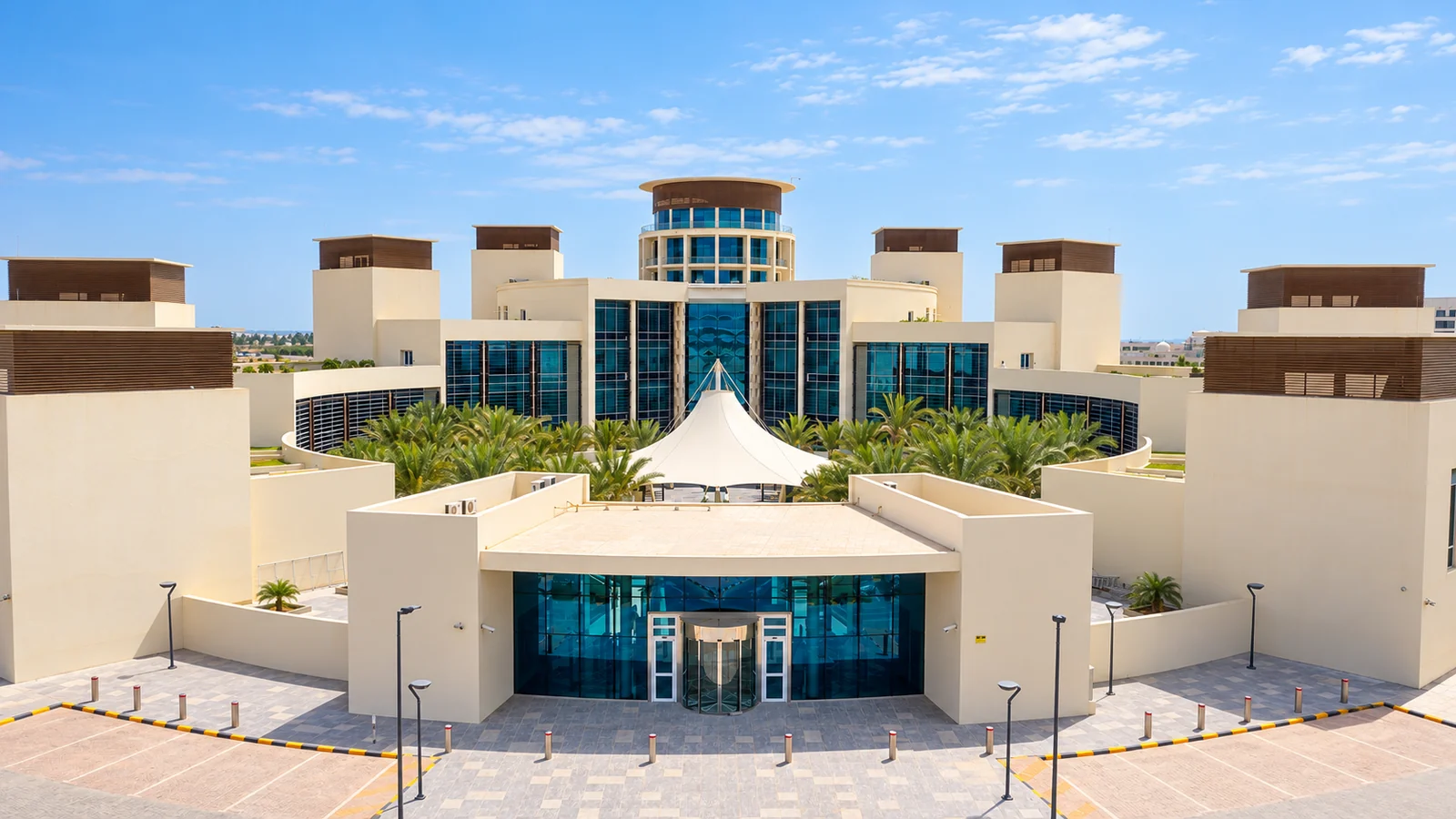
Photo: OPAZ · Oman Open Government Licence · AI-assisted light/colour restoration and foreground car removal; cropped, WebP. Fine textures and sky regenerated.
Where should your business be based?
Salalah Free Zone at a Glance
- Established: in 2006 under Royal Decree 62/2006; part of the Asyad Group ecosystem within the OPAZ framework.
- Ownership: 100% foreign ownership for approved projects.
- Capital: SFZ publishes no minimum capital requirement for company establishment. Budget real funding for premises, licences and operation.
- Physical presence: an office, warehouse, industrial unit or land/facility appropriate to the activity is required inside the zone.
- Structures: FZE is the clear published single-owner route; FZC accommodates multiple owners. Branches and other forms depend on the accepted registration route.
- Commercial Registration: the published OPAZ schedule lists OMR 250 for registration and OMR 250 every five years for renewal.
- Activity licences: light industry OMR 150, medium industry OMR 450, heavy industry OMR 750 and commercial activity OMR 600, with a published three-year fee cycle.
- Normal lease registration: 3% of annual rent. Land-usufruct agreements have a separate value-based registration assessment.
- Income tax: the statutory starting exemption under Royal Decree 38/2025 is ten years from commencement of activity. Two further ten-year periods can apply to activities of a special nature through the prescribed approval process.
- VAT: Salalah is a VAT Special Zone. Qualifying transactions receive zero-rating when the Executive Regulation and registration or authorisation conditions are met.
- Customs: qualifying imports and exports can use the free-zone regime. Mainland entry uses a separate Bayan declaration, with applicable duty, VAT and product requirements.
- Workforce: SFZ’s FAQ describes approximately 20% Omanisation and up to 80% foreign workforce; the general OPAZ FAQ gives approximately 10% Omanisation for Salalah. Confirm the project-specific ratio and professions because the published figures differ.
- Worker permits: the zone law provides a five-working-day decision framework for the specified non-Omani worker permit process. Immigration and residence formalities have their own stages.
- Land: lease rather than purchase; published terms extend to 30 years, renewable. Offered plots start at approximately 1,000 m² and can extend to several hectares.
- Warehousing: Mazaya ready-built units and third-party facilities. Historical official material describes Mazaya sizes of approximately 350–8,000 m²; availability and rent are unit-specific.
- Published scale: more than US$12 billion committed investment, 100 operational companies, 21 million m² developed land and 3,000 jobs.
- Location: Dhofar, near the Port of Salalah and Salalah Airport. The separate Salalah Airport Free Zone established under Royal Decree 10/2022 is a different zone.
Which Businesses Fit Salalah Free Zone?
The location is most useful when port access, warehousing, export routes, industrial land, utilities or a southern-Oman supply chain improves the project’s economics.
Regional distribution and re-export
Import stock into Salalah, hold it under the free-zone customs regime and redistribute to GCC, East African, South Asian or other overseas markets. Design the inventory, product approvals and destination-country requirements around the real cargo flows.
Food processing and cold chain
Fisheries, agricultural inputs, processing, refrigeration and export logistics can be combined in one project. Temperature control, food approvals, backup power and wastewater are important facility decisions.
Pharmaceutical manufacturing and distribution
SFZ targets pharmaceutical and healthcare investment and markets specialised facilities and temperature-controlled infrastructure. Product approvals, validated storage and destination-market registrations belong in the initial business plan.
Petrochemicals and liquid bulk
The zone has gas and water infrastructure and an established petrochemical cluster. A published 4.5 km liquid-bulk corridor connects terminal infrastructure with projects in the zone.
Minerals and industrial materials
Dhofar’s limestone, gypsum, dolomite and silica resources can support processing, cement, lime, gypsum-board and other export-oriented materials projects. The raw-material source and port economics should support the facility investment.
Office-based consulting or online services
Compare the premises and operating costs with mainland Oman. A small service company benefits from Salalah when it actually uses the zone’s customers, infrastructure or international operating model.
Location, Port and Airport Connections
Salalah Free Zone is in Dhofar Governorate in southern Oman, close to the Port of Salalah and Salalah Airport. Its position provides direct access to Arabian Sea and Indian Ocean shipping routes outside the Strait of Hormuz.
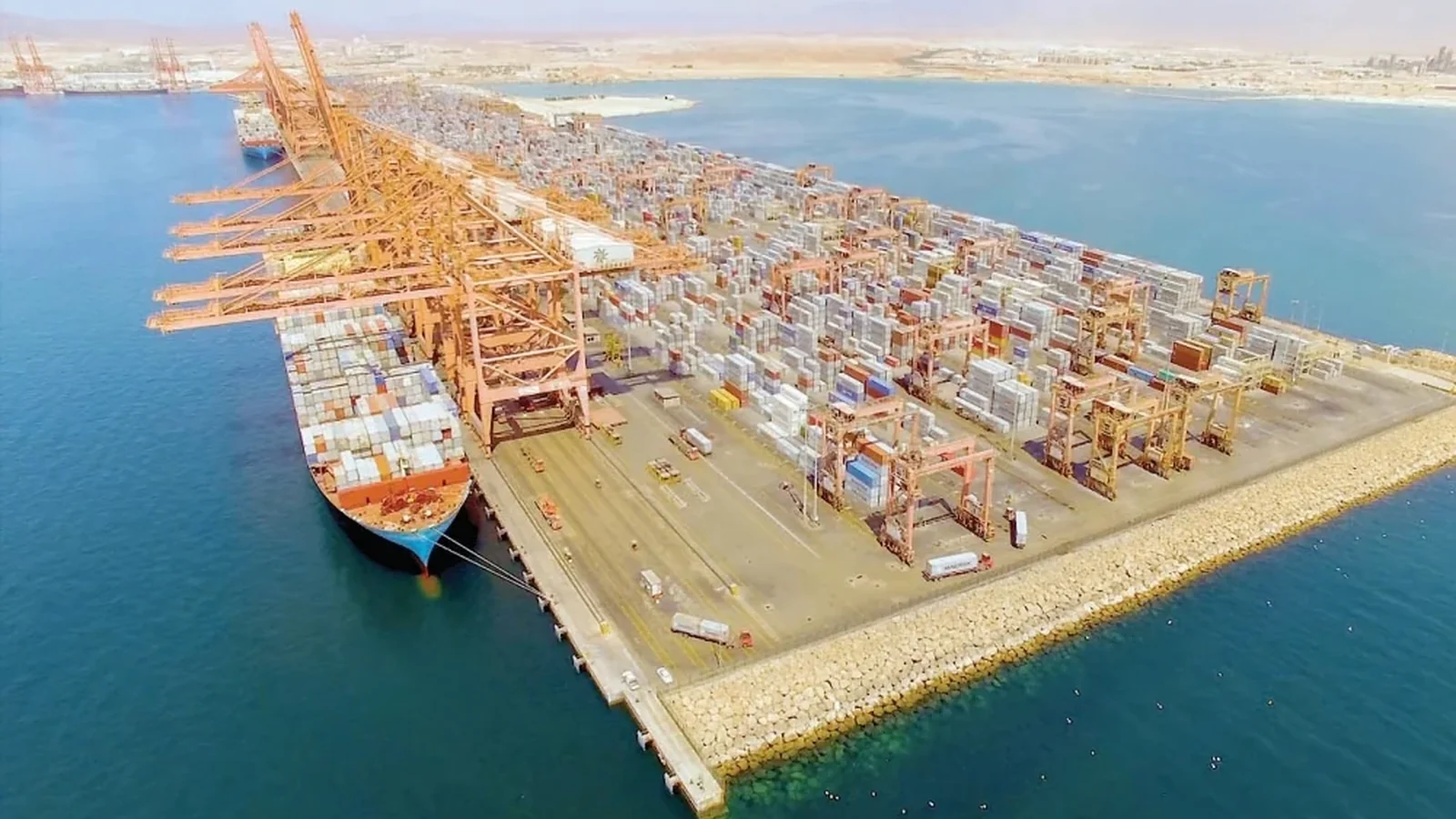
The port and free zone operate within the Asyad ecosystem but are distinct entities. Cargo movements follow the relevant port, customs and zone procedures, with proximity supporting transfers between those facilities.
The Salalah Airport Free Zone created by Royal Decree 10/2022 is separate from the established Salalah Free Zone. Check the exact operator, location and project route when comparing proposals.
Industrial and logistics scale
SFZ’s published profile reports 100+ operational companies, US$12 billion+ in committed investments, approximately 21 million m² of developed land and 3,000+ jobs. These describe the wider investment base rather than the availability of a particular warehouse, plot or utility connection.
Companies in Salalah Free Zone
Selected investors displayed on SFZ’s website include TOTALCO, Carmeuse, OQ, Al Jood, SIFCO and OCTAL. Sector pages identify additional projects in pharmaceuticals, food, petrochemicals, minerals and logistics.
These selected names are useful starting points, not a complete public tenant register. For a supplier or partner check, verify the exact legal entity, current Commercial Registration, activity and zone status, with lease, customs or sector records where relevant. A historical third-party company-list PDF may not reflect the current tenant population.
FZE, FZC and Branch Structures
FZE: a single owner
The published FAQ identifies a Free Zone Establishment as the single-owner structure. The registration form accommodates an individual or a corporate applicant.
FZC: multiple founders
A Free Zone Company accommodates multiple founders or partners. The Arabic FAQ describes two or more shareholders, while the English version says one or more. FZE is therefore the clear published single-owner route; confirm the accepted FZC structure in the filing process for a single-owner case.
Branches and other forms
The wider OPAZ framework recognises branches of local or overseas companies and other legal forms. Match the accepted structure to the shareholder profile and project before preparing corporate resolutions and foreign-document authentication.
100% foreign ownership is available for an approved free-zone project, so an Omani equity shareholder is not required solely for formation.
Activities and Licence Requirements
Use the actual goods, services and production process to select commercial, general-trading, logistics, industrial or project-specific activities. The licence, premises and technical file should describe the same operation.
Commercial and general trading: approved import, export, re-export, storage and distribution. Food, medical, chemical and other controlled products can require additional approvals.
Warehousing and logistics: storage, consolidation, order allocation, licensed packing or labelling, re-export and mainland transfers. Design the facility around SKU numbers, temperature, security, loading and customs flow.
Manufacturing and processing: an industrial unit or land, appropriate utilities, environmental screening, Civil Defence, technical review and commissioning usually form part of the project.
Specialised sectors: food, pharmaceuticals, petrochemicals, minerals and energy add their product, quality, health, environmental, hazardous-material, pipeline or utility requirements.
Offices, Warehouses, Industrial Units and Land
A physical presence inside the zone is required. Select an office, warehouse, industrial unit or land/facility that supports the approved activity. SFZ’s published route excludes offshore companies without actual presence or operations.
Match the space to the operation
Begin with what the business will do inside the zone.
Office
Services, workstations and business support.
Warehouse
Stock, loading, storage and distribution.
Industrial unit or land
Production, utilities and technical design.
Offices and Business Support Units
SFZ HQ offers furnished offices, unfurnished or customisable spaces and Business Support Units. Published facilities include 24/7 workstation access, connectivity, meeting rooms, parking, CCTV/security, reception and facility-management support.
Mazaya warehouses
Mazaya ready-built warehouses and light-industrial units include loading docks, forklift ramps, office space, utilities, fire systems, parking and round-the-clock security. Historical official material describes units of approximately 350–8,000 m². Obtain the current unit list before using a historical size in a project commitment.
Other warehouse providers
The published warehouse directory includes SAGA Warehouses, with approximately 80,408 m² total area; Algarmani, with approximately 95,000 m² storage/logistics space; and an International Logistics Hub of approximately 66,372.45 m², with large units around 1,533 m² and 1,855 m². Total development areas are different from currently available units.
Industrial land
Published land offerings start at approximately 1,000 m² and extend to several hectares. Land is leased rather than sold; the FAQ describes terms of up to 30 years, renewable. Allocation follows project scale, utilities, infrastructure and cluster availability.
Pricing a 350 m² warehouse
A 350 m² unit appears in older Mazaya material, but its present availability and rent need a unit-specific quotation. The quote should identify the unit, area, lease term, deposit, service charges, utilities and handover condition. There is no universal public annual rent for every warehouse in the zone.
Salalah Free Zone Setup Costs
Separate authority charges from the commercial premises and project budget. Office or warehouse rent, land, utilities, construction and equipment can be larger than company-registration costs.
| Published item | Fee | Cycle or scope |
|---|---|---|
| Commercial Register project registration | OMR 250 | Initial registration |
| Commercial Register renewal | OMR 250 | Every five years |
| Modification of CR details | OMR 5 | Per modification |
| Normal lease registration | 3% of annual rent | Registration and applicable lease cycle |
| Land-usufruct registration | Separate value-based assessment | Confirm the contract type and applicable rate before signing |
| Light industrial activity | OMR 150 | Published three-year fee cycle |
| Medium industrial activity | OMR 450 | Published three-year fee cycle |
| Heavy industrial activity | OMR 750 | Published three-year fee cycle |
| Commercial activity | OMR 600 | Published three-year fee cycle |
| Investor work licence: two / five / ten years | OMR 200 / 300 / 500 | Corresponding term |
| Environmental permit: Category 1 / 2 / 3 | OMR 900 / 600 / 300 | Published three-year cycle |
Land-registration rate check: the OPAZ web-schedule figure previously recorded for a usufruct agreement is 0.05% of total consideration, capped at OMR 10,000, while the published SOHAR English schedule states 0.5% for land-lease registration. These conflicting figures should not be applied interchangeably to an SFZ contract. Obtain the written rate and assessment for the actual agreement before budgeting the charge.
Construction-related fees
The published schedule lists OMR 200 for a building permit covering up to 5,000 m², plus 25 baisa per additional m². A completion certificate is OMR 5, and a land-levelling or piling permit is OMR 100.
Budget rent or land consideration, deposits, utilities, fit-out, construction, machinery, insurance, visas, banking, cargo handling and technical or professional work separately. Use the actual project specification and the current commercial offer.
Income Tax, VAT and Customs Benefits
Ten years initially, with qualifying extensions
Article 27 of Royal Decree 38/2025 provides a ten-year exemption from taxes imposed by the Income Tax Law, starting from commencement of activity. Activities of a special nature can qualify for two further ten-year periods through the regulation and approval process. The exemption is issued by decision of the Minister of Finance.
The published incentive of up to 30 years is therefore a possible ceiling rather than an automatic initial thirty-year grant. Existing projects retain previously granted incentives for their approved periods under the transition provisions.
Excluded sectors
Article 27 excludes banks and financial institutions, insurance and reinsurance, telecommunications, construction, land transport and maritime transport companies or establishments from this particular exemption. Assess those sectors under their applicable tax provisions.
VAT Special Zone
Salalah is listed as a VAT Special Zone. Qualifying supplies to, from or within the zone can be zero-rated when Articles 101–107 of the VAT Executive Regulations and the relevant authorisation or registration conditions are satisfied. Keep the evidence for each transaction.
Customs and mainland entry
The zone law provides customs relief for qualifying machinery, equipment, spare parts, raw materials and other goods introduced for establishment, preparation, operation or the licensed activity. Exports from the zone to outside Oman also use the zone framework.
Mainland goods use the Transfer from Free Zone to Free Market declaration in Bayan. Prepare the customs declaration, commercial invoice and entry certificate, followed by the applicable payment, transport controls, VAT, duty and product-compliance steps.
Workforce, Omanisation and Visas
SFZ’s FAQ describes approximately 20% Omanisation and up to 80% foreign workforce, while the general OPAZ FAQ cites approximately 10% Omanisation for Salalah. Because these published figures differ, establish the approved ratio and profession mix for the actual activity before committing to the payroll.
Five-working-day permit framework
Article 13 of Royal Decree 38/2025 provides a decision period of no more than five working days from submission for the specified non-Omani worker permit process. The law treats lapse of that period without a decision as granting the permit. Immigration, medical, residence-card and occupation-specific requirements remain separate stages.
Building the workforce plan
List Omani roles, specialist expatriate positions, qualifications, construction personnel, permanent operating headcount, accommodation, transport, shifts and renewal dates. Keep contractor manpower distinct from permanent employees and align both with the project schedule.
Documents for Company and Project Approval
Shareholder and company documents
- Investor inquiry and proposed company name, activities and structure.
- Passports and identity records for individual shareholders.
- Incorporation or Commercial Registration and constitutional documents for corporate shareholders.
- Board or shareholder resolutions, authorised signatories and powers of attorney where applicable.
- Ultimate beneficial owner and ownership-chain information.
- Proposed capital and banking information requested in the registration form.
Commercial and technical project file
- Exact products, services, manufacturing process and activity.
- Import, export, re-export and mainland customer model, suppliers and cargo flows.
- Office, warehouse, industrial unit or land requirement and area.
- Investment amount, funding and implementation schedule.
- Workforce, occupations and accommodation or transport needs.
- Electricity, water, gas, wastewater and telecom demand where relevant.
- Environmental profile, raw materials, emissions, waste and technical drawings for industrial projects.
The corporate records, activity, premises, utility requests and workforce plan should consistently describe the same project. Resolve mismatches before submission.
One project, matching files
Use the same operating assumptions across the application.
Products, markets and movement of goods.
Ownership
Shareholders, UBOs and signing authority.
Activities
Goods, services and the production process.
Facility
Premises, utilities and technical needs.
Workforce
Roles, headcount and operating arrangements.
How to Set Up in Salalah Free Zone: Step by Step
The published investor journey runs from inquiry and proposal through company registration and the facility agreement to project execution and operation. For complex projects, technical workstreams can run in parallel.
1. Define the business model
Specify the goods or services, input sources, customers and whether sales are export, mainland Oman or both. This produces the commercial basis for the application.
2. Submit the Investor Inquiry
Provide the project concept and investor information to start the project-fit review and commercial discussion.
3. Review the facility or land proposal
Use the proposed scale, utilities and cluster requirements to assess the facility or land offer and its commercial conditions.
4. Choose the legal structure
Use the accepted FZE, FZC or branch route for the owners and activity. Resolve the entity form before finalising shareholder documents.
5. Define the activities and licence
Match commercial, general-trading, logistics, industrial or service functions to the actual product list and operations.
6. Select the premises
Choose an office, Mazaya or other warehouse, industrial unit or land that supports the approved use and technical requirements.
7. Prepare the shareholder and project file
Complete corporate documents, ownership and UBO records, signing authority, markets, facility needs, utilities, workforce and technical information.
8. Complete company registration
Submit the registration forms, obtain the Commercial Registration and complete the Oman Chamber membership required by the investor journey.
9. Sign and register the premises agreement
Conclude the lease or usufruct with the correct unit, permitted use and terms, then complete the applicable registration and fee assessment.
10. Obtain the activity licence
Complete the business licence and any additional sector approvals relevant to the goods, services or production process.
11. Establish the tax and VAT position
Open the tax file, pursue the Article 27 exemption where eligible, and complete the applicable VAT registration or Special Zone authorisation.
12. Complete customs and Bayan setup
For a goods business, prepare the customs account, broker or authorisation, inventory records and declarations before the first controlled shipment.
13. Complete environmental screening
Classify the environmental impact and complete the assessment or permit route applicable to the project.
14. Obtain Civil Defence and technical approvals
Complete preliminary fire-safety and technical reviews for construction, fit-out or the controlled operating process.
15. Obtain the Permit to Work on Plot
Complete the PWP route before site works. The land agreement and construction permission are separate project milestones.
16. Complete construction, fit-out and utilities
Use approved or registered contractors as required and install the building, power, water, gas, wastewater, telecom and fire systems relevant to the facility.
17. Complete the workforce and residence file
Apply the approved Omanisation and profession position, then complete worker permits, visas, residence, accommodation and transport arrangements.
18. Apply for corporate banking
Prepare the CR, licence, ownership and UBO records, source of funds, premises and project evidence for the bank’s onboarding process.
19. Complete commissioning and final certificates
Obtain final Civil Defence, building completion, operating-fitness and sector-specific commissioning approvals where the project requires them.
20. Start operation and maintain compliance
Operate within the licensed scope and track company, premises, tax, VAT, customs, workforce, environmental and technical obligations.
Setup Timeline by Project Type
SFZ publishes the sequence rather than one universal end-to-end processing period. Build the timeline around the project category and its dependencies.
Office or commercial company: project acceptance, registration, facility agreement, licence, tax or customs where applicable, workforce and banking form the main stages. A complete document file reduces avoidable revisions.
Warehouse and distribution: add unit availability, product suitability, customs, equipment or racking, fire-safety and staff readiness. A ready-built unit can shorten physical preparation.
Land-based industry: add allocation, soil investigations, design, environment, Civil Defence, PWP, construction, utilities, commissioning and final approvals. These stages can take months and need a project schedule.
Environmental, Construction and Utility Approvals
The technical route connects site investigation, Civil Defence, design review and the Permit to Work on Plot before construction.
Environmental classification
Class A, B and C pathways reflect project scale and environmental impact. Higher-impact projects can require a full environmental impact assessment, medium projects follow the applicable limited assessment or permit process, and lower-risk projects can use a simplified route after screening.
Utility design
The infrastructure includes electricity, water, gas, telecom, sewage and treated-water or desalination systems. Submit actual connected load, peak demand, process-water needs, wastewater quality and volume, gas use, data and fire-water requirements before finalising equipment or construction contracts.
Completion and operation
Applicable projects need final Civil Defence approval, a building-completion certificate, utility commissioning and fitness for operation. Check the plot, utility and environmental assumptions before ordering machinery.
Import, Re-export and Mainland Cargo Flows
Design the inventory system around three movements: imports into the zone, re-exports outside Oman and transfers into mainland Oman.
Give each cargo flow its own record
Organise the goods file around the actual movement.
Import into the zone
Bayan declarations, commercial records and transport evidence.
Re-export outside Oman
Stock, consolidation and onward-shipment records.
Transfer to mainland Oman
A separate declaration, importer and product-compliance position.
Import: qualifying goods and equipment enter under the zone customs regime with Bayan declarations and commercial or transport records.
Re-export: storage, consolidation and onward shipment follow the zone model. Packing, labelling and other value-added work must fit the licensed activity and product rules.
Mainland sale: use the free-zone-to-free-market declaration and establish the importer, product approval, customs duty and VAT position. Keep this separate from export inventory in the operating records.
For a predominantly domestic customer base, compare the recurring customs and handling costs with mainland formation before committing to the zone.
Corporate Bank Account Preparation
Combine the SFZ company and licence records with a clear ownership, funding and transaction profile. The onboarding file covers UBOs, source of funds, ownership chain, activity, countries, customers, suppliers, premises and expected payment flows.
A trader or re-exporter should explain the products, supplier and customer countries, customs route and expected turnover. A manufacturer should show the investment, land or facility, machinery, implementation schedule and funding structure. Consistent company and project evidence supports the required KYC and AML review.
Annual Renewal and Continuing Compliance
- CR: track the published five-year renewal cycle and changes to company data.
- Activity licence: maintain the scope, expiry and applicable fee cycle.
- Premises: maintain the lease or usufruct, rent, service charges, permitted use and insurance.
- Income tax: retain exemption evidence and submit the required returns and records.
- VAT: file applicable returns and retain Special Zone transaction evidence.
- Customs: reconcile declarations, invoices, stock, re-exports and mainland transfers.
- Workforce: monitor permits, visas, professions, Omanisation and employee records.
- Ownership: update shareholders, UBOs and authorised signatories.
- Technical compliance: maintain environmental permits, monitoring, Civil Defence and operating certificates.
Sector-Specific Operating Plans
Regional distribution: size warehouse capacity against SKU and cargo volumes, integrate Bayan and destination-country rules, and separate mainland orders from export stock.
Food and cold chain: plan production, hygiene, temperature zones, chilling or freezing, backup power, food approvals, wastewater and exports together.
Pharmaceuticals: define product categories, health approvals, validated temperatures, backup power, quality systems, traceability and market registrations.
Petrochemicals and liquid bulk: connect feedstock, storage and tank design, terminal or pipeline interfaces, process safety, utilities, environmental controls and emergency response.
Mineral processing: establish raw-material sources, process, dust or emissions, water, power, waste and by-products, land and port economics before selecting a plot.
Advantages and Practical Planning Points
Advantages: full foreign ownership, no published universal minimum capital, proximity to a major transshipment port, ready offices and warehouses, long-term industrial land, targeted industrial clusters and conditional tax, VAT and customs incentives.
Plan for: physical presence, actual facility quotations, the initial ten-year exemption and extension conditions, current workforce approvals, mainland customs treatment and technical commissioning. Prepare a documented banking file alongside the corporate and project records.
Common Setup Mistakes
- Choosing only for a tax headline: first confirm that the cargo, manufacturing or distribution model benefits from Salalah.
- Budgeting thirty years as an automatic exemption: apply the initial ten-year framework and the conditions for later periods.
- Using an old warehouse brochure as a quotation: obtain the current unit, rent, charges and utilities.
- Overlooking physical presence: include the appropriate zone facility from the beginning.
- Using a workforce headline as an approved quota: establish the actual ratio and professions before hiring.
- Confusing CR issuance with facility readiness: programme the applicable customs, health, environmental and technical approvals.
- Applying re-export treatment to domestic sales: calculate the separate mainland customs and VAT position.
- Preparing banking too late: align ownership, funding, premises and transactions while the project file is being assembled.
Frequently Asked Questions About Salalah Free Zone
Where is Salalah Free Zone?
It is in Dhofar, southern Oman, near the Port of Salalah and Salalah Airport. The airport free zone established under Royal Decree 10/2022 is a separate location and framework.
Can a foreign investor own the whole company?
Yes. Full foreign ownership is published for approved SFZ projects. An Omani shareholder is not required solely to form the approved free-zone entity.
Is there a minimum capital requirement?
SFZ publishes no minimum capital requirement for establishment. The operating budget must still fund the premises, licences, equipment, staff and working capital needed by the business.
Do I need physical premises?
Yes. The published route requires an office, warehouse, land or other approved facility inside the zone. Offshore formation without real presence is excluded.
What is the difference between FZE and FZC?
FZE is the clear published single-owner route. FZC is used for multiple founders; the English and Arabic FAQs differ on single-owner FZC wording, so resolve the accepted form in the registration process.
How much is Commercial Registration?
The published OPAZ schedule lists OMR 250 initially and OMR 250 for five-year renewal. Licence, Chamber, premises and project charges are additional according to the file.
What is the commercial licence fee?
The published fee is OMR 600 with a three-year fee cycle. Keep the operating licence’s actual conditions and expiry in the renewal calendar.
What are the industrial licence fees?
The published fees are OMR 150 for light industry, OMR 450 for medium industry and OMR 750 for heavy industry. The production process determines the appropriate category and additional technical approvals.
How much is warehouse rent?
Rent depends on the selected unit, size, term, services, utility requirements and availability. Obtain a current quotation for Mazaya or the relevant third-party provider rather than applying one rate to all facilities.
Are 350 m² warehouses available?
That size appears in historical official Mazaya material, within a range of approximately 350–8,000 m². Current availability and commercial terms require the live unit list.
Can industrial land be purchased?
SFZ offers land through lease arrangements rather than sale. Its published FAQ describes terms up to thirty years, renewable, with the project determining plot allocation.
How does the thirty-year tax incentive work?
The current statutory starting exemption is ten years from commencement of activity. Activities of a special nature can qualify for two further ten-year periods through the prescribed process; thirty years is the potential maximum.
Which transactions receive zero-rated VAT?
Salalah’s VAT Special Zone status supports qualifying supplies under the Executive Regulation and applicable registration or authorisation conditions. Classify each transaction and retain its evidence.
Can the company sell goods in mainland Oman?
Yes. Use the Free Zone to Free Market customs route and establish the importer, product permissions, duty and VAT treatment for entry into mainland Oman.
What is the Omanisation percentage?
SFZ’s published FAQ gives approximately 20%, while the general OPAZ FAQ gives approximately 10% for Salalah. Confirm the approved activity-specific ratio and professions before committing to staffing.
How many foreign employees can be hired?
SFZ markets up to 80% foreign workforce, but the applicable headcount and jobs follow the project and approved labour requirements. Build the role matrix before treating that headline as a staffing entitlement.
Does the five-day framework cover the complete residence process?
It concerns the specified non-Omani worker permit decision under Royal Decree 38/2025. Entry, medical, residence-card and profession-specific requirements are distinct stages.
How many companies operate in the zone?
SFZ’s published profile reports more than 100 operational companies. Selected investors appear on the public site; a complete current tenant list should not be inferred from an old third-party directory.
Which investor names are publicly listed?
Selected displayed names include TOTALCO, Carmeuse, OQ, Al Jood, SIFCO and OCTAL. Verify the exact company and current activity through its Commercial Registration for a transaction or supplier assessment.
Is SFZ the same entity as the Port of Salalah?
They are distinct entities within the wider Asyad ecosystem. Proximity and operational cooperation support cargo movement, while port, customs and zone procedures remain applicable.
Detailed Salalah and Free-Zone Guides
- Oman free zones and investment locations
- Mainland versus free-zone structure
- Activities, licences and facilities
- Offices, warehouses, industrial units and land
- Port logistics, customs and re-export
- Visas, workforce and accommodation
- Utilities, construction and environmental approvals
- Project file, technical documents and timeline
- Tax, customs and Omanisation
- Renewal and compliance checklist
- Setup and annual operating costs
- Regional distribution and re-export
- Food processing and cold chain
- Pharmaceutical manufacturing and distribution
- Petrochemicals and liquid bulk
- Free-zone lease due diligence
- Tax exemptions under Royal Decree 38/2025
Sources and Legal References
- Salalah Free Zone official website
- SFZ FAQ
- Investor process
- Warehouse facilities
- Offices and Business Support Units
- Land offerings
- OPAZ Salalah profile
- Royal Decree 38/2025
- Executive Regulation 81/2026
- OPAZ legislation and service-fee schedule
- Published SOHAR English fee schedule, for the land-registration discrepancy noted above
- Tax Authority Special Zone VAT guidance
- Customs: Free Zone to Free Market transfer
Last major review: 7 October 2026. Obtain current premises, utility, workforce and project conditions before signing a lease, construction contract, equipment order or staffing commitment.
Image sources and licences
- OPAZ – https://www.opaz.gov.om/en/zones/salalah-free-zone
Oman Open Government Licence – https://www.utas.edu.om/en-us/Licence