
Oman visa medical unfit diseases are conditions that may affect a medical fitness result for a work visa, residence card, or renewal.
The test is a screening process. It checks for certain infectious diseases and other health conditions. A screening result is not always a final medical diagnosis.
The result may depend on the type of application, the person’s job category, whether the test is before or after arrival, and the final review by the responsible health authority.
Medical disclaimer
This guide gives general information about the official medical fitness process. It does not diagnose any disease. It does not replace advice from a doctor, an approved medical fitness centre, the Oman Ministry of Health, Wafid, or another responsible authority.
Do not stop treatment, hide medical information, or make a health decision because of this article. Speak with a qualified doctor about your health. Ask the official medical authority about your visa file.
How the medical decision usually works
1. Screening
The applicant completes the required blood tests, chest examination, physical checks, or job-specific tests.
2. Review
A positive, unclear, or abnormal result may be sent for another test or specialist review.
3. Official result
The authority may record Fit, Unfit, Fit with conditions, or request more assessment.
Oman visa medical test at a glance
| Question | General answer |
|---|---|
| Who may need the test? | Many foreign workers, some residence applicants, and people renewing relevant permits or cards. |
| Where is the test done? | At an approved centre before arrival through Wafid when required, or through the Oman medical fitness system after arrival. |
| What is usually checked? | Tests may include HIV, syphilis, hepatitis B, hepatitis C, tuberculosis screening, vital signs, and extra tests for some occupations. |
| Does one positive screening test always mean Unfit? | No. Some results need confirmation, treatment, specialist review, or a decision based on the job category. |
| Is the Wafid list the same as the Oman post-arrival process? | No. The systems are connected in some cases, but their published criteria and stages are not identical. |
| Who gives the final decision? | The responsible medical authority, based on the official test and review process. |
Who may need medical fitness testing?
Medical fitness testing is mainly used for foreign nationals who plan to work or live in Oman under an application that requires health clearance.
The Oman Ministry of Health guideline includes several types of applications. These can include:
- new work residence applications;
- renewal of work residence;
- health licence applications and renewals for relevant workers;
- some family residence applications and renewals;
- some student residence applications;
- some technical-team or seafarer visa cases;
- some visit visa extensions;
- other cases where the authority asks for medical fitness.
Ordinary tourists do not normally complete the same medical fitness process used for workers and residents.
Current Ministry of Health service information also states that children under 16 do not need the medical fitness form for a visit or residence visa. A different rule may apply when another authority asks for a report or vaccination record.
Where does the Oman visa medical test take place?
Testing before arrival through Wafid
Some applicants must complete a medical examination before travelling to Oman. This may be done through Wafid, a Gulf Health Council programme for people travelling to GCC countries for work or residence.
Wafid is used in certain countries. The applicant books through the official system and visits the centre assigned by Wafid. The report can then be checked and attested through the Oman Ministry of Health system when required.
Testing after arrival in Oman
Post-arrival medical fitness testing is completed through the Oman Ministry of Health process. The applicant or sponsor registers for the examination and visits an approved medical fitness centre.
The medical centre uploads the results. The Ministry of Health can approve the result, request confirmation, or refer the case for more review.
Important distinction: A rule shown on the Wafid website may apply to a pre-arrival Wafid examination. A rule in the Oman Ministry of Health guideline may apply to the post-arrival or residence medical process. Applicants should not treat the two published lists as one identical rule.
Conditions and official medical criteria
The official Oman guideline lists the main tests used in the medical fitness process. Wafid also publishes conditions that it may record as Unfit during a pre-arrival examination.
The table below keeps these two sources separate. It does not mean every condition produces the same result in every Oman visa file.
| Disease or condition | Common screening or review | Possible official effect |
|---|---|---|
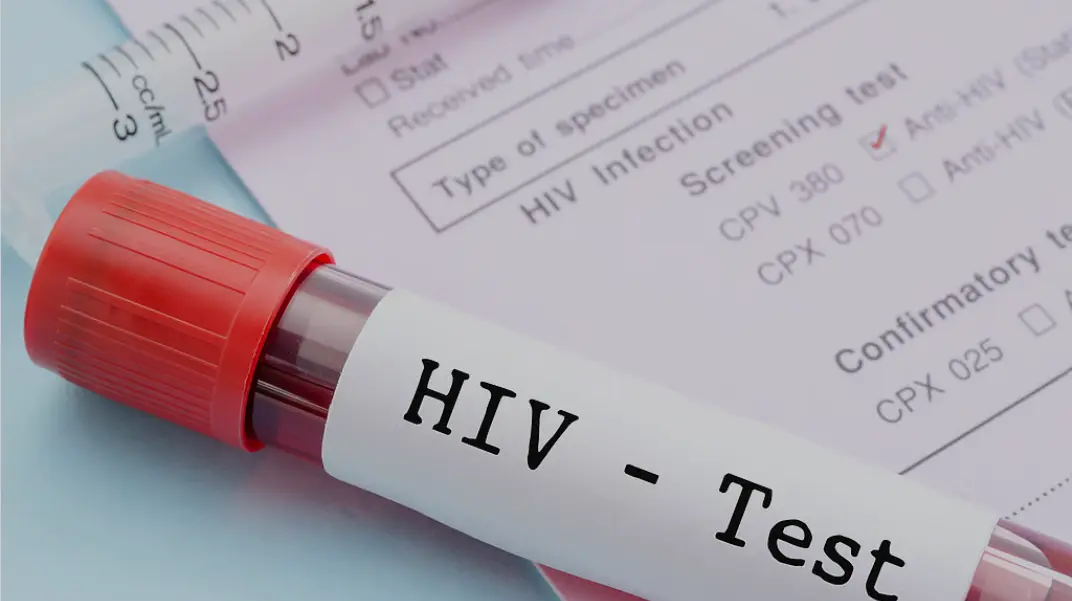
| HIV | HIV 1 and 2 blood screening, followed by confirmation when the first result is positive or unclear. | A confirmed positive result is shown as Unfit in the Oman guideline and is also listed as Unfit by Wafid. |
| Syphilis | VDRL or RPR screening, with a confirmatory test when needed. | A positive screening result is not always the final decision. The Oman process includes confirmation, treatment, and follow-up steps. |
| Hepatitis B | HBsAg blood test, with another assay or confirmatory sample after a positive or unclear result. | The result may depend on the occupation category. Some confirmed cases can be Unfit, while other categories may continue with specialist review and treatment follow-up. |
| Hepatitis C | Anti-HCV screening and, for relevant cases, PCR confirmation. | The result may depend on the job category and confirmatory result. Some cases can be Unfit. Other categories may continue under specialist care and follow-up. |
| Tuberculosis | Chest X-ray followed by sputum tests, molecular testing, culture, or a chest specialist report when required. | Confirmed pulmonary tuberculosis can lead to an Unfit result. The exact outcome may differ for new applications, renewals, and residence categories. |
| Intestinal parasites or worms | Stool testing for food handlers and other relevant occupational categories. | The applicant may need treatment, repeat testing, or further review before clearance. |
| Salmonella or Shigella | Stool culture when required for food-related work. | A positive result may delay clearance and require treatment or another test. |
| Malaria or microfilaria | Blood testing in the Wafid pre-arrival process. | Wafid lists these infections among conditions that can receive an Unfit result. |
| Leprosy | Clinical examination and medical assessment in the Wafid process. | Wafid lists leprosy as an Unfit condition. |
| Abnormal chest X-ray | Chest imaging and further tuberculosis or lung assessment. | Wafid lists findings such as active or past tuberculosis evidence, lung fibrosis, calcification, pleural fluid, or enlarged lymph nodes among possible Unfit findings. |
| Kidney failure | Medical history, examination, and relevant laboratory or specialist reports. | Wafid lists renal failure among its non-infectious Unfit conditions. |
| Liver failure or severe liver insufficiency | Liver assessment, laboratory results, and specialist reports. | Wafid lists liver failure or hepatic insufficiency among its non-infectious Unfit conditions. |
| Heart failure | Clinical and specialist assessment. | Wafid lists heart failure among its non-infectious Unfit conditions. |
| Uncontrolled high blood pressure | Blood pressure readings and medical assessment. | Wafid lists uncontrolled hypertension among its non-infectious Unfit conditions. |
| Uncontrolled diabetes | Blood glucose testing and medical assessment. | Wafid lists uncontrolled diabetes among its non-infectious Unfit conditions. |
| Cancer | Medical history and specialist assessment. | Wafid lists different types of cancer among its non-infectious Unfit conditions. |
| Severe psychiatric or neurological disorder | Clinical or specialist assessment when relevant. | Wafid lists psychiatric and neurological disorders among its possible Unfit conditions. The published wording does not mean ordinary stress or a short period of anxiety automatically causes an Unfit result. |
| Physical condition that prevents the work | Assessment of whether the applicant can safely complete the duties of the stated job. | Wafid lists a deformity, amputation, or physical disability when it prevents the applicant from performing the work. |
| Very low haemoglobin | Complete blood count and medical review. | Wafid includes a low haemoglobin criterion in its published Unfit list. The medical centre must interpret the official technical threshold. |
HIV screening
The Oman medical fitness guideline includes HIV 1 and 2 testing for new applicants and renewals.
A positive or unclear first result must go through confirmation. The first screening result alone should not be treated as a complete diagnosis. The Oman guideline records a confirmed positive result as Unfit.
Syphilis screening
The official Oman process starts with a VDRL or RPR test. A positive result can be followed by a TPHA confirmatory test.
The published process includes treatment and sponsor follow-up. It does not show that every first positive screening result must automatically remain Unfit.
Hepatitis B and hepatitis C
Hepatitis B is screened through HBsAg. Hepatitis C is screened through Anti-HCV and may require PCR testing.
The official Oman flow uses occupational categories. Category 1 includes work with a more direct effect on public health, such as food handling, domestic care, personal care, and healthcare roles.
A confirmed infection may produce a different result for category 1 than for category 2 or category 3. Some applicants may be referred to a liver or digestive-system specialist and may need treatment and follow-up.
Tuberculosis and chest X-ray findings
A chest X-ray is an important part of the screening process. An abnormal X-ray does not by itself prove active tuberculosis.
The applicant may need sputum microscopy, molecular testing, sputum culture, or a report from a chest specialist. A confirmed tuberculosis case can lead to an Unfit result.
The Oman guideline also shows that the decision can differ between a new application and a renewal. Some lower-risk residence categories may be considered for conditional residence with treatment and follow-up.
Food handlers and public-health occupations
Food handlers may need an extra stool test. The Oman guideline refers to testing for parasites and worms, with stool culture for Salmonella and Shigella as part of the planned or relevant process.
People working with food, patients, children, domestic care, beauty services, or other public-facing activities may be placed in a category with stricter health review.
Possible medical fitness outcomes
The medical process can produce more than one type of outcome.
- Fit: The required medical clearance is approved.
- Unfit: The applicant does not receive medical clearance under the rule applied to that file.
- Fit with conditions: The application may continue with treatment, specialist care, sponsor commitment, or follow-up.
- Pending confirmation: The first result needs another laboratory test, imaging review, or specialist report.
- Temporary delay: Treatment or another test may be required before the authority gives the final result.
Screening is not diagnosis: A screening test is designed to find possible risk. A doctor may need a second test to confirm whether the disease is present. The visa result and the medical diagnosis are related, but they are not the same decision.
Can an applicant repeat the test or request a review?
A repeat or confirmatory test may be part of the official process when the first result is positive, unclear, or different from the medical history.
The Oman Ministry of Health service steps include confirmatory testing for Unfit cases. The official guideline also refers Unfit cases and applicants who need more assessment to the responsible disease-control department.
The next step may include:
- testing a new blood sample;
- using a different laboratory method;
- PCR or another confirmatory test;
- sputum tests after an abnormal chest X-ray;
- a report from a chest, liver, digestive-system, or other specialist;
- treatment followed by another assessment;
- review by the Ministry of Health department responsible for the case.
This is different from a general appeal based only on disagreement with the result. The official centre must explain whether confirmation, correction, treatment, or another formal review route is available.
How an Unfit result can affect the visa process
Medical fitness is one part of a wider visa or residence application. The file may also include employment approval, passport records, sponsor documents, insurance, biometrics, and residence-card steps.
An Unfit or pending result can stop or delay the next stage. The effect depends on the visa type and the final health decision.
Applicants who need help with the wider administrative file can review Oman visa application support. Medical diagnosis and treatment must remain with qualified healthcare professionals and official medical centres.
Common misunderstandings
A positive first test always means final rejection
This is not correct for every disease. HIV, hepatitis, syphilis, and tuberculosis processes can include confirmatory tests. Some conditions also have treatment or category-based rules.
Every chronic disease causes an Unfit result in Oman
This is too broad. Wafid publishes several serious non-infectious conditions in its Unfit list. The Oman post-arrival guideline has its own procedures. The applicant’s actual system, occupation, and official review matter.
Any mental health condition leads to rejection
The published Wafid list refers generally to psychiatric and neurological disorders. It does not say that ordinary stress, a short period of anxiety, or every past mental health issue automatically causes an Unfit result.
Any disability causes rejection
The Wafid wording connects the condition to the person’s ability to perform the stated work. A disability should not be described as an automatic result without checking the official rule and the actual job.
An abnormal X-ray proves tuberculosis
An abnormal chest image may need more tests. Active tuberculosis should be confirmed through the official medical process.
A private laboratory report replaces the official test
A private report may help a doctor understand the person’s health. It does not automatically replace the examination, upload, attestation, or approval required by the official visa system.
Medical fitness checklist
- Confirm whether the application needs a pre-arrival Wafid test, an Oman post-arrival test, or both.
- Use only the official booking system and an approved medical centre.
- Check that the passport number, nationality, job, and personal details are correct.
- Take the passport and any other documents requested by the official service.
- Tell the doctor about medicines, treatment, and important medical history.
- Do not use another person’s sample or false medical document.
- Ask whether an abnormal result is a screening result or a confirmed diagnosis.
- Ask whether another sample, PCR test, X-ray review, or specialist report is required.
- Keep copies of the appointment slip, payment record, medical report, and official messages.
- Follow treatment instructions from a qualified doctor.
- Confirm the final status through the official system before making travel or employment plans.
Frequently asked questions
What diseases can cause an Unfit medical result for an Oman visa?
Confirmed HIV and tuberculosis are important examples in the Oman medical fitness guideline. Hepatitis B and hepatitis C can also affect the result, with rules that may depend on the job category. Wafid publishes a wider list that includes malaria, microfilaria, leprosy, serious chest findings, organ failure, uncontrolled diabetes or blood pressure, cancer, and some other serious conditions.
Does hepatitis B always cause an Unfit result in Oman?
No single answer applies to every file. The Oman guideline uses confirmation and occupational categories. Some confirmed cases may be Unfit. Other categories may continue with a specialist report, treatment, and follow-up.
Does hepatitis C always stop the visa?
Not always. Anti-HCV screening may need PCR confirmation. The official result can depend on whether the virus is detected and on the applicant’s occupational category.
Can a person pass after a positive syphilis screening test?
The Oman process includes a confirmatory test, treatment, and follow-up. A first positive screening result is not always the final result.
Does an abnormal chest X-ray mean the applicant has tuberculosis?
No. The applicant may need sputum testing, molecular testing, culture, or a chest specialist’s report. The final decision should be based on the official confirmation process.
Can the medical test be repeated?
Confirmatory or repeat testing may be requested when a result is positive, unclear, or needs more assessment. The approved centre or Ministry of Health department must give the official next step.
Do family residence applicants need a medical test?
Some family residence applications or renewals can require medical fitness. Current Ministry of Health service information states that children under 16 do not need the form for a visit or residence visa. Adults should check the rule for their exact application.
Is Wafid required for every nationality?
No. Wafid operates in a published list of countries. Applicants should check the official Wafid system and the Oman visa instructions for their place of examination and nationality.
Can Oman Verified decide whether an applicant is medically Fit?
No. Only the responsible medical authority can issue or approve the medical fitness result. Oman Verified can explain administrative steps, but it cannot diagnose a condition or replace the official medical decision.
Related Oman Verified guide and service
Oman Visa and Residency Services
Administrative support for eligible Oman visa and residence applications, document planning, and process coordination.
Oman Employment Visa Process
Read about the wider employment visa process, including the main administrative stages before and after arrival.
Conclusion
Oman visa medical unfit diseases include important infectious conditions such as confirmed HIV and tuberculosis. Hepatitis B, hepatitis C, syphilis, and food-handler infections follow their own confirmation or treatment processes.
Wafid also publishes wider pre-arrival criteria for serious infectious and non-infectious conditions. The correct result depends on the system used, the job category, confirmatory tests, and the final official review.
Visa and residency coordination
Oman Verified supports international founders, employers and residents with Oman-side visa and residency preparation, coordination and follow-up through the relevant stages.
Medical fitness, visa and residence decisions are completed through the relevant health and immigration authorities; Oman Verified coordinates the client-side process and required follow-up within the agreed scope.
Official sources
- Oman Ministry of Health — Medical Fitness Examination Guideline
- Oman Ministry of Health — Post-Arrival Medical Fitness Exam Service
- Oman Ministry of Health — Pre-Arrival Medical Report Attestation Service
- Gov.om — Medical Fitness Certificate for a Resident Card
- Gov.om — Medical Fitness Certificate for a Work Card
- Wafid — Official Frequently Asked Questions and Unfit Criteria
- Wafid — Programme Guidelines
Official public information reviewed on 24 July 2026. Confirm the current requirements in the live government systems before submission.