
OMAN TRADE AND CUSTOMS GUIDE
Customs Clearance in Oman: Import, Export and Bayan Guide
Oman Customs is the Royal Oman Police Directorate General of Customs. Its Bayan electronic single window handles company access and shipment declarations; clearance is the documented process that matches the importer, goods, tariff code, permits and route before Customs assesses and releases cargo. This guide explains imports, exports, transit, re-export, free-zone transfers, official fees, duties, VAT, timing and the complete shipment workflow.
The first useful decision is where the goods will legally end up: Oman mainland, a free zone, another country, or a temporary project. Global clients planning shipments into Oman can use that destination as the starting point for a shared brief with suppliers, carriers and the local clearance team.
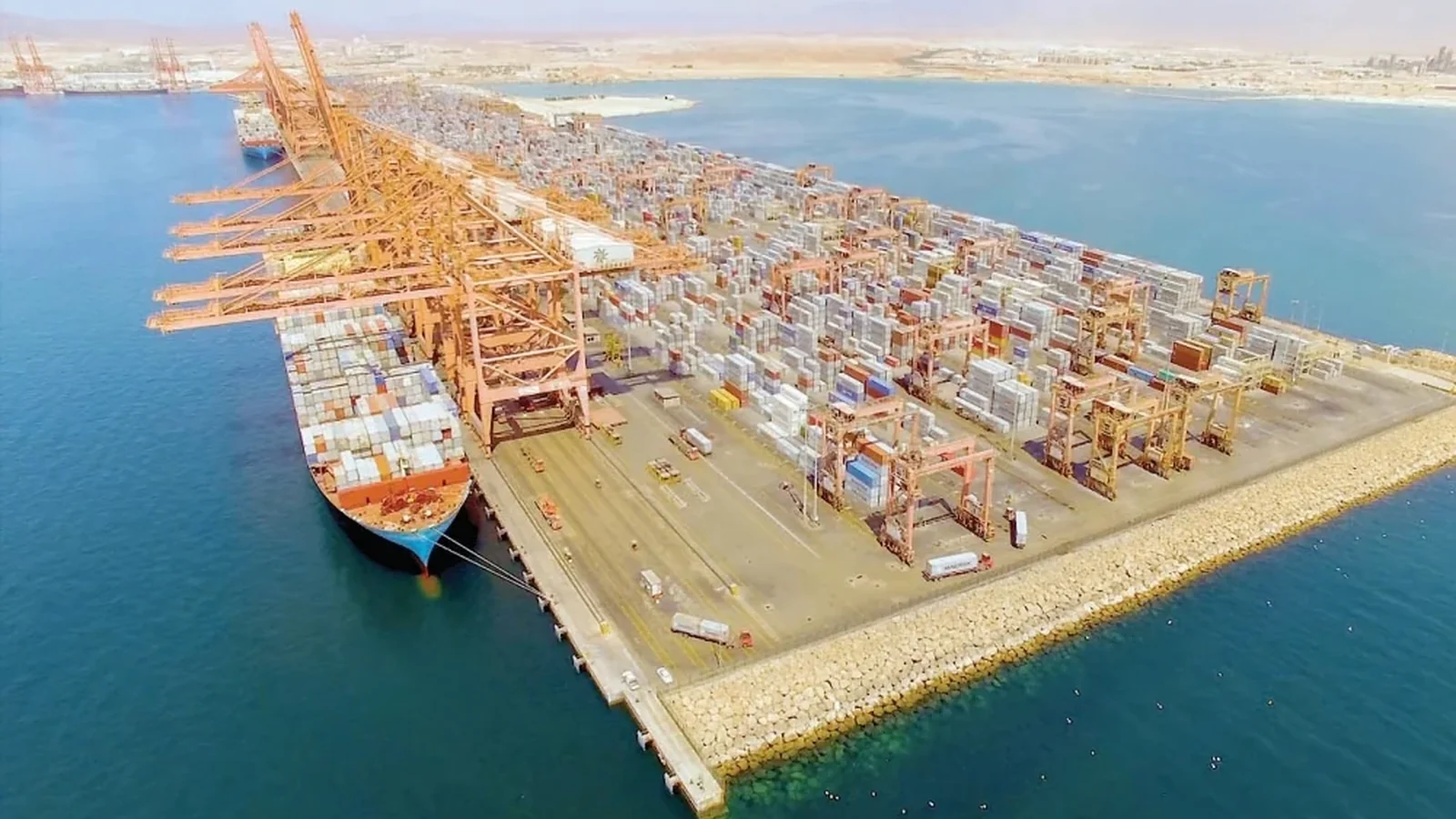
Oman Customs and Bayan: key facts
The GCC Unified Customs Law applies in Oman through Royal Decree 67/2003 and is amended by Royal Decree 28/2026. Oman Customs’ published services supply the operational fee and account steps; the Tax Authority separately governs import VAT.
- Authority and system: the Royal Oman Police Directorate General of Customs controls customs decisions. Bayan is its electronic single window, used for access, declarations, documents, permits and payments.
- Two different registrations: company access in Bayan is distinct from a declaration for each shipment. A commercial registration alone is neither a Bayan user nor a cargo release.
- Responsible party: identify the importer/exporter, consignee, owner and authorised declarant before the shipment leaves. A broker submits on behalf of the responsible party but does not erase that party’s document and tax obligations.
- Classification: goods need the current 12-digit Oman tariff line by composition, function and use. Code, origin, customs value and regime together determine duty, restrictions and permits.
- Declaration fee: Oman Customs lists OMR 15 for a company-owned goods declaration and OMR 5 for an individual-owned goods declaration covering import, export or transit applications.
- Bayan user: Oman Customs lists OMR 10 per user. Adding a company branch is OMR 20, plus OMR 10 for an additional already-registered user. No first company-registration fee is published on those pages.
- Correction cost: the published request fees are OMR 10 for amendment and OMR 10 for cancellation, each subject to customs approval.
- Duty is item-specific: there is no reliable blanket 5% duty rule. The current 2026 tariff, HS code, origin, preference, value and route control the rate.
- Import VAT: the general rate is 5% for standard-rated imports; import VAT can apply even if the importer is not VAT-registered or the customs duty is zero. Exemptions, suspensions and special zones have separate rules.
- Permits: check the product against the Customs requirements search before dispatch; a CR activity does not itself approve telecom, food, health, agricultural or controlled goods.
- 2026 document rule: amended Article 27 requires a detailed original or electronic invoice with the declaration. Customs may exceptionally allow missing documents against security/undertaking for up to 90 days; this is not a routine shipping plan.
- Sea manifest: amended Article 30 requires the cargo manifest before vessel entry, unless the Director General allows later submission in a particular case. An older 36-hour rule in pre-2026 copies is superseded.
- Advance ruling: Customs states 60 days for a complete classification or origin ruling application. It is a pre-shipment decision, not a cargo-clearance service level.
- Conditional re-export refund: Oman Customs’ service measures the one-year re-export limit from the delivery notice; the Customs-hosted GCC implementing text measures it from duty payment. Both set a six-month claim limit after re-export. Plan against the earlier one-year date and confirm the applicable deadline with Customs.
The legal changes above are in Royal Decree 28/2026. The Oman Customs declaration service, user service, branch service and Tax Authority imports-and-exports VAT guide supply the published administrative figures.
Importer, consignee, broker and carrier: who does what?
Name the legally responsible importing or exporting party before arranging freight. A seller, buyer, shipper, consignee, owner, importer of record and customs broker can be different persons. Their documents must describe the same goods and transaction. A broker can prepare a Bayan declaration only with proper authority, while Customs makes classification, valuation, inspection and release decisions.
- Importer or exporter: holds the commercial and customs role, gives true goods/value/origin data, secures product permissions and preserves tax and customs evidence.
- Consignee: named recipient on the transport document; check whether it is also the importer. A consignee name on a bill of lading does not automatically resolve import-tax and permit responsibility.
- Licensed broker or authorised user: enters and submits the declaration, attaches evidence and handles official questions under its authority. A private broker cannot guarantee classification or release.
- Carrier and terminal: submit the transport/manifest data, issue delivery orders and hold/release physical cargo according to official and terminal processes.
- Product regulator: decides any prior permit, conformity, veterinary, health, telecom, environmental or other specialist permission.
For a foreign supplier without an Omani importing entity, agree the real importer, contract terms, payment, VAT treatment and product-permit holder before the goods depart. The one-CR import/export guide discusses activity scope; this page supplies the customs work that still follows.
Bayan company registration, users and first shipment
Bayan company registration creates the Customs system record and access path. It is different from the legal Commercial Registration (CR), adding an import/export activity to that CR, and filing a declaration for a particular consignment. The eligible company representative should first check CR, Oman Chamber and authorised-person records, then submit the official company-registration form and arrange user or broker access.
Access, declaration and release do different work.
Keep the company’s system readiness separate from the consignment’s clearance file.
System access
Company record and applicable user, branch or broker access arrangements.
Shipment declaration
The authorised user or broker submits the actual goods, parties, route and evidence.
Customs release
Authority review, payment and any selected inspection lead to the release decision.
- Company and authority: check the current CR, Oman Chamber record, registered branches, shareholder/manager powers, contact details and any existing Bayan account before duplicating registration.
- User administrator: the official Bayan user-registration page says the company/office official signs in as User Administrator, enters user details and pays OMR 10 per person. Individual ID activation and employer records must satisfy the service terms.
- Company branch: add a branch tied to the CR through the branch-registration service; its published fee is OMR 20 and OMR 10 for an additional user already registered in Bayan.
- Broker authority: if a licensed customs broker submits for the importer, record the delegation, responsibilities and payment instructions. Broker access is not the importer’s ownership of the goods.
- First declaration: once account and users are ready, classify products, load permits and transport data, and submit a shipment-specific Bayan declaration. The first company-registration fee is not separately published on the cited service pages.
Read the Bayan company-registration guide for detailed account forms and user steps after the core distinction is clear. A company with an existing Bayan account should audit access and branch records rather than apply for a duplicate account.
Classify goods, establish origin and prove customs value
Every goods line needs a defensible tariff classification, country of origin and customs value. Oman uses the current 12-digit Oman tariff line for a specific product. The first digits alone or a supplier’s code from another country may not identify the Oman line, duty or permit. Read the 2026 Oman customs tariff and test an estimate with the Oman Customs duty calculator; Customs retains final authority over the declaration.
Connect the product to four supporting facts.
Technical and commercial evidence should describe the same goods.
One product line with a consistent description across the invoice, product sheet, permits and declaration.
Classification
What is it made of, what does it do and how is it used?
Origin
Where was it manufactured, and what evidence supports that origin?
Value
Which price, freight, insurance and transaction evidence support the declared value?
Regime
Where will the goods end up and how will they be used?
- HS classification: record composition, technical function, materials, use, model and catalogue evidence. Distinguish complete products from parts, sets or samples.
- Origin: country of manufacture is not always the shipping country. A preferential rate under a trade agreement needs the applicable origin rule and accepted proof, not simply a seller address.
- Customs value: match invoice currency, price, transport and insurance evidence, Incoterm, related-party position and any required adjustments. Do not equate a low commercial invoice with an accepted customs value.
- Restricted goods: a tariff line may trigger a product permit, prohibited/restricted status, inspection, excise, trade-remedy charge or special document.
For a recurring product with material classification or origin uncertainty, request a Customs advance ruling before shipment. Oman Customs states a 60-day period after a correct and complete classification/origin file; its application section covers those two topics. The site lists pre-advance value services separately. The 60 days are for a pre-shipment ruling, not an ordinary cargo-clearance time.
Retain the product sheet, photos, manufacturer specifications, contract and origin evidence with the final code. If an assessment differs from the preliminary estimate, reconcile the declaration and tax treatment to the authority decision rather than reusing an unsupported code.
What documents and product approvals must be ready?
The declaration needs an itemised invoice and shipment evidence that identify the true goods, parties, values and route. Royal Decree 28/2026 amends Article 27 to require a detailed original or electronic invoice with each declaration. Customs may exceptionally allow specified missing documents against security or an undertaking for no more than 90 days; importers should prepare the full file before dispatch, because a later cure is discretionary.
Core commercial and transport file
- Commercial invoice: seller, buyer, importer/consignee if different, detailed goods description, model, quantity, unit and total value, currency, Incoterm and payment terms.
- Packing list: package count, weights, dimensions and item-to-package mapping consistent with the invoice and transport document.
- Transport evidence: bill of lading, air waybill, road consignment or courier record, carrier manifest reference, arrival and terminal/delivery-order details.
- Origin and value evidence: manufacturer/certificate of origin when required, freight and insurance amounts, purchase contract, payment evidence and any claim for preferential origin.
- Legal and product file: current CR/Bayan authority, required import/export permit, conformity, health, labelling, testing or technical catalogue information.
Goods that often need separate review
Use Oman Customs’ search for import and export requirements by exact goods before booking transport. Radio and telecom equipment can need type approval; food, plants, animals, medicine, medical devices and cosmetics can need health, veterinary, agricultural, product-registration, quarantine or labelling evidence. Chemicals, batteries, hazardous materials, vehicles, used equipment and excise goods can trigger further controls. The food import guide gives detailed product-registration steps, while the importer still needs the customs process on this page.
A broad description such as “parts”, “samples” or “equipment” is not enough for a code or permit decision. Ask the manufacturer for a function and composition sheet. If Customs or a regulator selects inspection, sampling or testing, the relevant authority controls the decision and time.
Import, export, transit, re-export and free-zone routes
Choose the customs regime from the goods’ real destination and use. The same physical consignment may produce a different duty, VAT, security or refund outcome if it enters mainland Oman, remains under transit control, goes to a free zone, is temporarily admitted or is exported again. A free-zone address does not automatically convert mainland sales into a duty-free transaction.
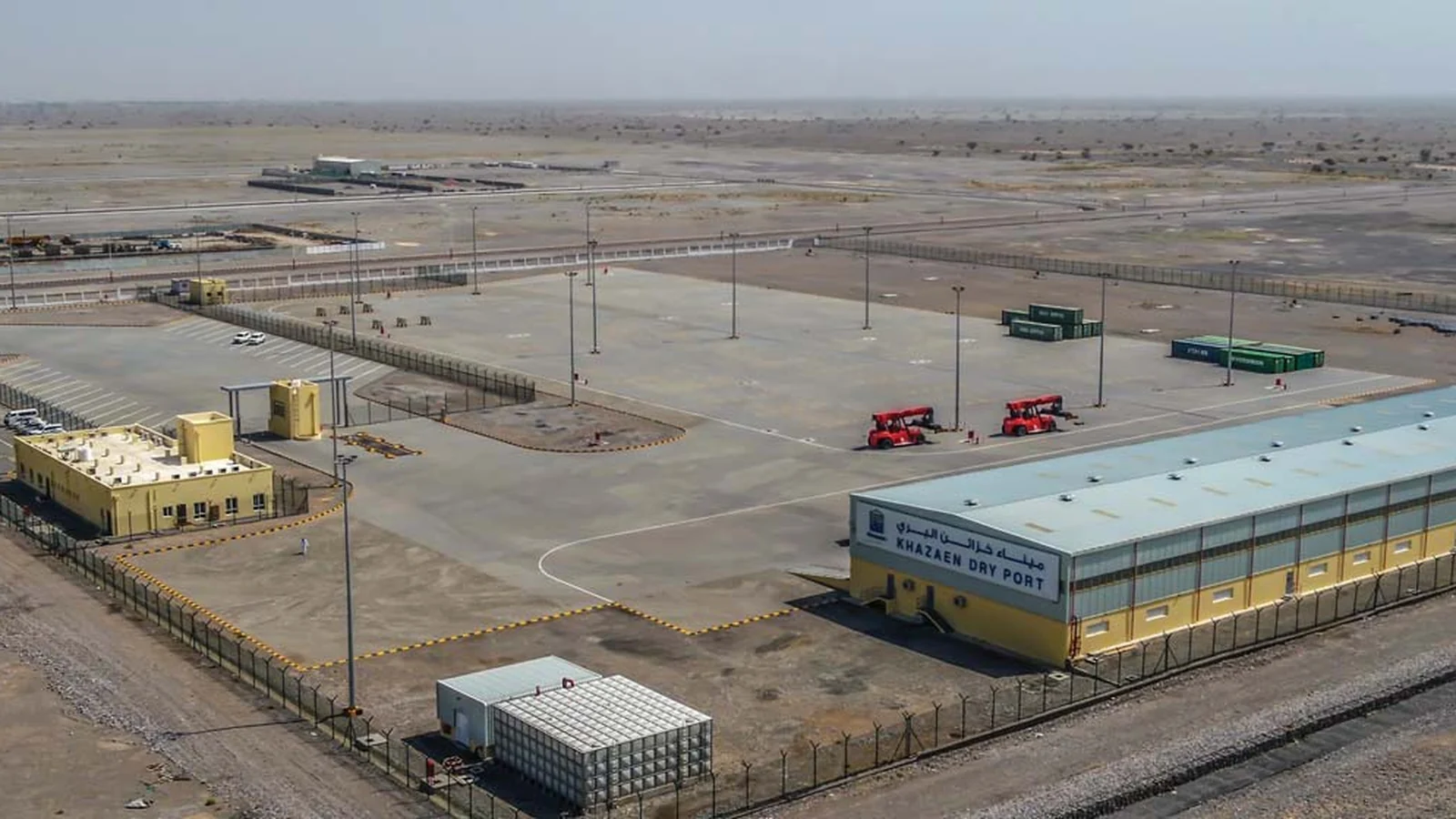
Photo: OPAZ · Oman Open Government Licence · Cropped and converted to WebP.
| Route | Purpose | Key customs result |
|---|---|---|
| Mainland import | Goods released for sale or use in Oman. | Import declaration, product permissions, assessed duty and import VAT unless an exemption or relief applies. |
| Export from Oman | Goods leave Oman under an export declaration. | Accurate export record and proof of departure; assess VAT zero-rating evidence separately. |
| Transit | Goods pass through Oman under customs control to another destination. | Transit declaration and security, route/seal controls and proof of exit; amended Article 67 recognises cash, bank or documentary security forms. |
| Re-export | Previously imported goods leave Oman again. | A separate re-export record; a conditional duty refund needs original import link, identical unused goods and deadlines. |
| Free-zone movement | Goods enter or leave an authorised special/free-zone regime. | Zone entry and customs records; release from zone to Oman mainland is a separate import/tax event. |
| Temporary admission | Eligible goods enter for a defined project or event and later leave or convert. | Apply for approval and any security; Oman Customs describes a six-month temporary-import period renewable for a similar period. |
Royal Decree 28/2026 strengthens the formal route rules, including amended Article 67 on transit security and Article 143 on unauthorised free-zone exit. For re-export refunds, Oman Customs’ service page measures the one-year re-export limit from the delivery notice, while the Customs-hosted GCC implementing text measures it from payment of customs duty. Both state that the refund claim must be filed within six months after re-export. These published start dates differ: schedule the shipment against the earlier date and confirm the controlling deadline with Oman Customs. Keep the import and re-export declarations and evidence identifying the same unused goods; do not budget a refund until Customs confirms eligibility.
Temporary admission has different paperwork: the temporary-import service asks for a project/request letter, contract, itemised invoice, company registration and relevant permits. End the route by re-export or approved conversion to permanent import; a time-limited admission cannot simply become an unrecorded mainland sale.
Major practical gateways include Sohar, Salalah and Duqm seaports, Muscat International Airport, express-courier networks and land-border customs offices. The gateway affects the carrier manifest, terminal or border handling, delivery order and inspection arrangement; it does not replace the legal customs regime.
Complete customs clearance process: fourteen steps
The first eight stages happen before or around arrival; the last six produce a valid declaration, payment, official release and a defensible record. Customs and regulators decide the result, while the importer and its authorised broker are responsible for presenting accurate facts.
The 14 clearance steps, grouped into four phases.
Preparation before arrival supports the declaration, authority decision and final records.
- Steps 1–3
Set the route and responsibility
Destination, parties, authorisation and CR/Bayan readiness.
- Steps 4–8
Prepare goods and evidence
Classification, origin/value, permits, shipment documents and arrival data.
- Steps 9–12
Declare and obtain release
Submit the declaration, resolve review, pay and complete any selected inspection.
- Steps 13–14
Handover and close the file
Take delivery or prove exit, then reconcile the final customs and accounting records.
1. Define the destination and customs regime
Identify whether goods will enter mainland Oman, leave Oman, pass in transit, enter a free zone, return abroad or stay temporarily. Record who owns them and their final use. Output: A route decision for the actual transaction.
2. Name importer, consignee and declarant
Check the sale contract and transport booking against the proposed importer/exporter, consignee, owner, registered company and authorised broker or user. Output: One responsibility and authorisation map.
3. Check CR and Bayan readiness
Confirm commercial activity, company and Chamber details, existing Bayan account, user administrator, branch record and broker delegation. Register missing access before first cargo arrives. Output: Working company, user and broker access.
4. Classify every product line
Use composition, function, model and specifications to select the current 12-digit tariff line; request an advance ruling when a high-value or repeated code/origin question needs binding treatment. Output: Documented proposed HS code and technical evidence.
5. Check origin, value, duty and VAT
Prove manufacturing origin, any trade preference, invoice price, freight, insurance and Incoterm; estimate duty from the live tariff and import VAT separately. Output: Landed-tax estimate with stated assumptions.
6. Identify permits before dispatch
Search the official product requirements and submit health, telecom, agricultural, conformity, environmental or other regulator applications where the item requires them. Output: Permits or confirmed no-permit basis before shipping.
7. Collect commercial and technical documents
Reconcile itemised invoice, packing list, origin evidence, product sheets, transport document, licences and permits. Correct party, model, quantity and value mismatches with the issuer. Output: A consistent electronic shipment file.
8. Coordinate the carrier manifest and arrival
Obtain booking, bill/waybill and manifest references and match package data. For sea cargo, arrange manifest submission before vessel entry under the amended rule, subject to Customs’ specific exception power. Output: Arrival and manifest data matching the declaration.
9. Create the Bayan declaration
The authorised user or licensed broker selects the correct regime, port, parties, HS lines, value/origin and permit references, uploads documents and submits the shipment-specific declaration. Output: Bayan reference and submitted file.
10. Resolve Customs and regulator review
Answer valuation, classification, origin, permit or document questions. Seek an authorised amendment if a filed declaration is wrong; amended Article 49 addresses amendment before inspection and other conversion/cancellation conditions. Output: Accepted declaration or a documented correction decision.
11. Pay duty, VAT and official charges
Check the authority assessment against the regime, exemptions and security, then pay the live Bayan invoice and keep the receipt. Arrange terminal, carrier and broker payments separately. Output: Official payment and release eligibility.
12. Complete inspection and release
Present the cargo for scanning, physical inspection, sampling or laboratory review if selected. Wait for Customs and other regulators to approve release; no private party can waive that decision. Output: Customs release notice and any conditions.
13. Take delivery or prove exit
Use the delivery order and terminal release to move imported goods to the approved location, or collect exit proof for exports, transit and re-export. Record package and quantity differences. Output: Physical handover or confirmed exit matched to the declaration.
14. Close the tax and post-clearance file
Retain the final declaration, payments, permits, origin/value support, transport proof and stock/accounting entries; pursue a permitted correction or refund within its deadline. Output: Auditable shipment file and any claim calendar.
Official Bayan and customs fees versus full landed cost
For a normal company-owned consignment, Oman Customs publishes a OMR 15 customs declaration application fee; for goods owned by an individual the published fee is OMR 5. These are official transaction fees. They do not include tariff duty, import VAT, product permits, broker service, freight, port handling, testing, storage, delivery or insurance.
| Official service | Published charge | When it applies |
|---|---|---|
| Shipment declaration | OMR 15 company / OMR 5 individual | Import, export or transit declaration service; goods owner type controls the published charge. |
| Bayan user registration | OMR 10 per user | Granting system user access; distinct from initial company registration. |
| Add company branch in Bayan | OMR 20 + OMR 10 for an additional registered user | Only where a CR branch is being added and an additional user is requested. |
| Request declaration amendment | OMR 10 | A correction request requiring Customs approval. |
| Request declaration cancellation | OMR 10 | A separate cancellation request requiring Customs approval. |
| Initial Bayan company registration | No fee shown on the cited company/user service pages | Read the live official invoice if a charge is generated; do not infer zero cost. |
The declaration service, user service, branch service, amendment service and cancellation service publish those line items. A first-time importer should not confuse the OMR 10 user charge with an official first-company registration fee, which the cited pages do not publish.
Full landed cost adds the goods price, freight, insurance, customs duty and import VAT where applicable, plus permit/testing, broker, carrier, terminal, storage, inland transport and any security or deposit. Broker and Oman Verified professional fees are separately agreed private services, never government declaration fees. A missing permit or wrong document can also generate demurrage or detention, so prepare the file before the carrier sails.
How customs duty and import VAT are worked out
Customs duty is assessed against the current tariff line, accepted value, origin, preference and customs regime. Many goods cannot be priced responsibly with one blanket percentage. The official 2026 tariff and live Bayan calculator should be used for each item; Customs can change the preliminary code, value or relief when examining the actual goods and documents.
- Duty: check the exact 12-digit Oman tariff line, country of origin, preferential agreement evidence, any anti-dumping/excise measure and whether the goods are released into mainland circulation or held under a relief/suspension regime.
- Tax base: the Tax Authority guide describes import VAT value as customs value plus customs duty and excise/other relevant import charges, excluding VAT itself. Confirm the authority assessment rather than applying 5% to the invoice price alone.
- Import VAT: Oman’s standard rate is 5% on standard-rated goods. VAT can be due even when customs duty is zero and even when the importer is not VAT-registered. Product exemptions, zero-rating and deferment/suspension rules are specific.
- Recovery: a VAT-registered business may recover eligible input VAT only under the Tax Authority’s conditions, with the correct importer and customs documentation. Paying import VAT does not by itself establish a deduction right.
- Export: a qualifying export may be zero-rated for VAT only with the required evidence of departure and other conditions. An export declaration and carrier proof should be retained.
The distinction is explicit in the Tax Authority guide to imports and exports and its current tax-rate page. An importer should reconcile the final Bayan assessment, VAT entry and inventory cost in its accounting system; use the Oman tax guide for wider registration and return obligations.
How long does Oman customs clearance take?
Oman Customs does not publish a universal end-to-end release time for every shipment. The declaration can be filed after the company/user authority, regime, manifest, invoice, permits and transport references are ready. Release then depends on system validation, Customs assessment, payment, selected inspection or sampling, other regulators and terminal/carrier availability. A private timetable cannot override those decisions.
| Stage | Published or practical timing | What controls it |
|---|---|---|
| Bayan company and user readiness | No universal first-company SLA on the cited service pages | CR/Chamber details, authorised manager, account status and system access. |
| Product permission | Regulator-specific | Exact HS/product, application, testing and certificate needs; begin before dispatch. |
| Sea carrier manifest | Before vessel entry under amended Article 30 | Carrier submission and limited Director General exception; avoid reliance on an older 36-hour rule. |
| Shipment declaration and release | No official single duration | Complete documents, assessment, duty/VAT payment, inspection, regulator and terminal release. |
| Advance classification/origin ruling | Within 60 days of a complete application | A pre-shipment ruling route, not a clearance SLA for cargo already at a port. |
For planning, work backwards from the vessel or flight: secure product approvals, Bayan access and full invoice data before dispatch, and allocate time for any port inspection. If documents are missing, amended Article 27 permits a discretionary secured undertaking of up to 90 days in specified cases; that period is not a promise of immediate release. Storage and demurrage can accrue while missing evidence is resolved.
What must happen after customs release?
Customs release is the start of the accounting and product-compliance record, not the end. The importer should link each final Bayan declaration to its invoice, value and origin support, duty/VAT payment, permit and physical receipt. Exporters, transit parties and re-exporters need proof of exit; a release or exit record should agree with the inventory movement.
- Final customs file: keep the issued declaration, HS classification basis, value and origin evidence, regulator permits, assessment, receipts, inspection findings and release/exit notice.
- Financial records: post the goods, freight, customs duty, VAT and other landed costs to the correct entity; keep the customs importer aligned with any VAT input-tax claim.
- Delivery and product duties: obtain terminal/delivery order and proof of receipt, then observe labelling, storage, expiry, traceability, warranty or market-surveillance rules for the product.
- Amendment or dispute: if quantity, value, code, origin or payer data is wrong, use the authorised Customs correction route rather than changing only the internal accounting record. The request carries a published OMR 10 charge and authority approval.
- Re-export refund: record both the delivery-notice and duty-payment dates. Oman Customs’ service and the Customs-hosted GCC text use different one-year starting points; work to the earlier date, confirm the controlling deadline, and file the claim within six months after re-export. Retain linked declarations and evidence identifying the same unused goods.
- Future shipments: review recurring items when the tariff, product approvals or origin documents change; one successful clearance does not pre-approve all later consignments.
Store the evidence for the period required by applicable customs, tax and product rules and make it retrievable by declaration number. The Tax Authority’s VAT guide explains that import VAT deduction and amendments depend on the final customs documentation.
Using a broker versus opening a customs-clearance business
An importer may use a properly authorised customs broker to prepare and submit a shipment declaration. That is a service relationship; the importer still needs accurate goods, value, origin and permits, and Customs retains its decision. Opening a customs-clearance office as a separate business is a different licensed activity with ownership and operational rules.
- For the ordinary importer: confirm broker licence and Bayan authority, agree who will obtain permits, approve HS/value assumptions, pay official assessments, respond to Customs and receive the final records.
- For a new brokerage company: Oman Customs’ licence conditions require full Omani or GCC ownership, CR and Oman Chamber registration, a clearance activity, an office, a legal-representative clearance certificate and financial security.
- Do not merge the budgets: broker-licence fees/deposits shown on that page belong to starting a brokerage, not to the OMR 15 company shipment declaration or ordinary importer registration. Their published wording should be checked with Customs when applying.
The customs-clearance office licensing guide covers the brokerage business in depth. This page addresses what an importer or exporter must do even when a broker is retained.
Frequent customs errors and how to prevent them
Most avoidable delays begin before arrival. The importer should make the same product, ownership, value, origin and destination story appear consistently in the contract, invoice, transport document, permit and Bayan declaration.
- Wrong 12-digit HS line: a supplier’s broad code can miss Oman-specific classification, duty and regulator triggers. Retain technical evidence and seek an advance ruling for repeated high-value uncertainty.
- Confusing shipping country with origin: goods trans-shipped through a country do not automatically acquire that country’s origin or a preferential rate. Verify manufacturing and preference evidence.
- Shipping before permit: a CR activity or prior shipment does not approve a new controlled model, ingredient or batch. Search the product requirement before dispatch.
- Mismatched documents: different importer names, quantities, package counts, currencies or model numbers can block assessment. Reconcile documents with their issuers before filing.
- Wrong regime: mainland import, transit, temporary admission, re-export and zone movement carry distinct security, VAT and exit consequences. Select the real destination.
- Assuming free-zone goods can enter mainland duty-free: a zone-to-mainland transfer is a separate customs/tax event. Keep the zone entry and exit records.
- Assuming zero duty means zero VAT: the Tax Authority treats import VAT separately; standard-rated goods can carry 5% VAT despite zero customs duty or importer nonregistration.
- Unclear broker authority: a broker may submit but cannot create truthful invoice, origin or permit facts that the importer has not provided. Assign each responsibility in writing.
- Ignoring terminal costs: missing documents can accrue storage, detention and demurrage even when official declaration fees are modest.
For a test shipment, create one line-by-line clearance sheet with HS, origin, invoice value, permit, duty/VAT assumption, port, broker and responsible owner. Reuse the method—not an old tariff outcome—for the next shipment.
Frequently asked questions
These answers cover the usual first-shipment questions. The live tariff line, product rule, Customs decision and Tax Authority treatment control each actual consignment.
What is Oman Customs and what is the Bayan system?
Oman Customs is the Royal Oman Police Directorate General of Customs. Bayan is its electronic single window for company/user access and customs declarations, documents, permits and payment. Customs, not the software user or private broker, decides assessment, inspection and release.
Is Bayan company registration the same as clearing a shipment?
No. Company registration establishes a Customs system record and access. An authorised user or broker must then make a separate declaration for each import, export or transit movement, with its own goods, tariff codes, documents, taxes and Customs decision.
Who can register a company or add users and branches in Bayan?
An eligible company representative or User Administrator uses the official company and user functions. The published user fee is OMR 10 per person. A CR-linked company branch may be added for OMR 20 plus OMR 10 for an additional user already registered in the system. Check existing records before starting a duplicate registration.
Does a foreign seller need an Omani importer for commercial goods?
The shipment needs a legally eligible importing party whose Bayan, CR, permit and VAT position match the transaction. A foreign seller should agree with its Oman buyer or lawful importing partner who acts as importer, consignee, payer and permit holder before shipping; a freight booking alone does not settle those roles.
Can a customs broker submit and take responsibility for my shipment?
A licensed and authorised broker may prepare and submit the declaration and handle Customs queries. The importer still supplies true product, value, origin and permit information and remains central to customs and tax records. Customs retains final authority to assess or inspect.
What is the official customs declaration fee?
Oman Customs lists OMR 15 when the goods owner is a company and OMR 5 when the owner is an individual for its declaration service. Duty, VAT, broker, permits, carrier, terminal, inspection, storage and delivery are separate costs.
Is the customs duty always five percent?
No. Duty depends on the exact 12-digit Oman tariff line, customs value, origin, any preferential or trade-remedy rule and the customs regime. Use the current 2026 tariff and official calculator for an item estimate, then follow the final Customs assessment.
Can import VAT apply when customs duty is zero?
Yes. Standard-rated imports generally carry 5% VAT even where the customs duty is zero. The Tax Authority also says import VAT can apply when the importer is not VAT-registered. Product exemptions, zero-rating, deferment and zone regimes need their own conditions.
Which documents are normally needed for a customs declaration?
Prepare a detailed invoice, packing list, transport document and manifest reference, origin evidence, relevant purchase/freight/insurance and technical details, and any required product permit or conformity document. The 2026 amended law calls for a detailed original or electronic invoice with each declaration.
How do I know whether an import permit is required?
Search Oman Customs’ official import/export requirements using the real product, then check the resulting authority and document rules before dispatch. Telecom, food, agricultural, health, chemical, hazardous and other controlled goods often need a separate approval. A CR activity is not a product permit.
Are goods held in a free zone automatically free of duty and VAT?
A qualifying zone regime may suspend customs duty or VAT under its rules while goods remain in the authorised route. Moving goods from a free zone into Oman mainland circulation is a separate customs and tax event. Keep zone, transfer and release records; the zone address alone does not exempt a mainland sale.
Can a declaration be changed or cancelled after submission?
A trader or authorised broker can request an amendment or cancellation through Bayan, but Customs must approve it under the applicable stage and conditions. Oman Customs lists OMR 10 for an amendment request and OMR 10 for a cancellation request; the amended law addresses ordinary amendment before inspection.
How long does customs clearance take?
There is no official universal release time for all cargo. Bayan readiness, carrier manifest, full invoice, product permit, authority review, payment, inspection and terminal handling determine the actual schedule. Customs’ 60-day complete-file advance ruling is a pre-shipment classification/origin service, not a release promise.
Can an overseas owner prepare customs clearance remotely?
Yes, much document and permit preparation can be coordinated remotely if the legally responsible importer and its authorised Bayan user or licensed broker are established. Physical inspection, goods presentation, terminal release and local regulator decisions still occur through the relevant Oman parties.
When can I recover duty after re-export?
Oman Customs’ service page measures the one-year re-export period from the delivery notice, but its hosted GCC implementing text measures it from duty payment. Both set a six-month claim limit after re-export. Use the earlier one-year date for planning and confirm the applicable deadline with Customs. Link the original import and re-export declarations, invoices and proof that the goods are the same and unused; re-export alone does not create a refund.
Official customs and tax sources
Reviewed 24 October 2026. Royal decrees state the law, Oman Customs pages describe published administrative services, and Tax Authority guidance describes VAT treatment. These sources do not endorse this page or guarantee an individual clearance outcome.
- Royal Decree 67/2003 and the GCC Unified Customs Law (MJLA entry) and Royal Decree 28/2026 customs amendments (MJLA PDF) — current law and 2026 changes.
- Oman Customs Bayan company-registration form, Bayan user registration and Bayan branch registration.
- Oman Customs declaration service, amendment service and cancellation service — current published application fees.
- Oman Customs 2026 tariff listing, duty calculator and import/export requirements search.
- Oman Customs advance rulings, re-export refund service, Customs-hosted GCC implementing text, temporary-import service and brokerage licence conditions.
- Tax Authority imports-and-exports VAT guide and Tax Authority tax rates.
Image sources and licences
- OPAZ – https://opaz.gov.om/upload/files/Duqm-Magazine32-English1.pdf
Oman Open Government Licence – https://www.utas.edu.om/en-us/Licence